
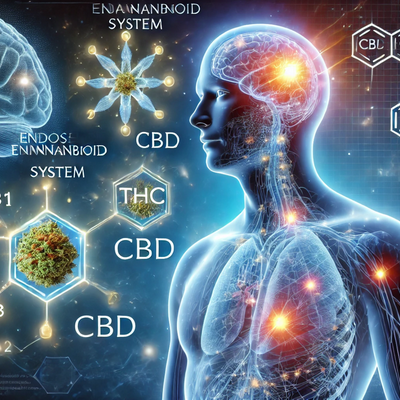
THC and CBD in the Body: Understanding Biological Symphony of Cannabis
The human body orchestrates an intricate biological dance when it encounters cannabis compounds, particularly THC (tetrahydrocannabinol) and CBD (cannabidiol). These molecular partners engage with our internal systems in ways that continue to captivate medical researchers and practitioners alike.
The Body’s Natural Cannabis Network
At the heart of this interaction lies the endocannabinoid system (ECS), a sophisticated biological network that weaves through our entire body. Picture it as a vast communication web, with specialized receivers stationed throughout the brain, vital organs, immune system, and connective tissues. These receivers act as cellular gatekeepers, maintaining equilibrium across numerous bodily functions – from our emotional landscape to physical sensations, and from our sleep patterns to our metabolic processes.
THC: The Dynamic Activator
THC stands out as cannabis’s principal psychoactive architect, but its role extends far beyond creating euphoric sensations. This molecule exhibits a remarkable ability to dock with CB1 receptors in the brain, essentially mimicking anandamide, our body’s natural “bliss molecule.” This interaction triggers a cascade of effects, influencing everything from sensory perception to appetite regulation.
What makes THC particularly intriguing is its dual nature. While it primarily engages with brain receptors, it also interfaces with CB2 receptors scattered throughout our immune system. This secondary interaction unlocks THC’s potential as a therapeutic agent, particularly in managing chronic pain conditions and inflammatory disorders.
CBD: The Subtle Orchestrator
CBD takes a markedly different approach in its biological interaction. Rather than directly binding to cannabinoid receptors, CBD acts more like a conductor, subtly influencing multiple biological systems simultaneously. It enhances our natural endocannabinoid levels by preventing their degradation, allowing them to exert their beneficial effects for longer periods.
Perhaps most fascinating is CBD’s ability to interact with receptors beyond the endocannabinoid system. It engages with serotonin receptors (5-HT1A) and pain-sensing receptors (TRPV1), explaining its broad therapeutic potential. Additionally, CBD demonstrates an ability to moderate THC’s effects, potentially reducing anxiety and other unwanted psychoactive experiences.
The Ensemble Effect: Breaking down the endocannabinoid system
When THC and CBD work in concert, they create what scientists term the “entourage effect” – a synergistic relationship where the combined impact exceeds the sum of their individual effects. This botanical synergy suggests that nature’s original formula might offer advantages over isolated compounds. For instance, CBD can enhance THC’s pain-relieving properties while simultaneously dampening its psychoactive effects, creating a more balanced therapeutic profile.
Future Therapeutic Horizons
The intricate ways in which THC and CBD interact with our bodies open numerous avenues for medical applications. As research progresses, we’re discovering how these compounds might address conditions that have long challenged conventional medicine. Their ability to influence multiple biological systems simultaneously offers a unique therapeutic approach, particularly for complex conditions that require multi-targeted treatment strategies.
Understanding these interactions helps explain why cannabis compounds show promise in treating such a diverse range of conditions – from chronic pain and inflammation to anxiety and sleep disorders. As our knowledge deepens, it paves the way for more sophisticated and targeted therapeutic applications, potentially revolutionizing how we approach certain medical conditions.