
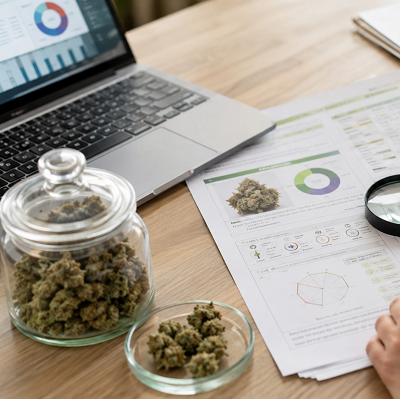
How to Read a Cannabis Lab Report Without Getting Lost
Lab reports — also called Certificates of Analysis (COAs) — are one of the most useful tools available to cannabis consumers, yet most people scroll past them without a second glance. Understanding the basics takes minutes and makes a genuine difference to buying confidently.
What a Lab Report Actually Is
A COA is an independent third-party analysis of a cannabis product. A reputable testing laboratory examines the product and documents exactly what it contains. Any trustworthy seller should make these available without hesitation.
The Key Sections to Look At
Cannabinoid Profile This tells you what’s actually in the product:
- THC percentage — the primary psychoactive compound
- CBD percentage — non-psychoactive, associated with relaxation and balance
- CBG, CBN, CBC — minor cannabinoids with their own distinct properties
Higher THC doesn’t always mean better — balance across cannabinoids often produces a more rounded effect.
Terpene Profile Terpenes determine flavour and contribute significantly to effect. Common ones include:
- Myrcene — relaxing, earthy
- Limonene — uplifting, citrusy
- Pinene — alert, fresh
Contaminant Testing Perhaps the most important section for consumer safety:
- Pesticides — should show non-detected across the board
- Heavy metals — lead, cadmium, arsenic all flagged if present
- Microbials — mould and bacteria levels
- Residual solvents — relevant for extracts and vape oils particularly
What to Watch Out For
- Reports older than six months warrant caution
- No third-party lab name is a red flag
- Contaminant results showing anything other than non-detected deserve a closer look
A clean lab report is a straightforward sign of a seller who takes their product seriously.