
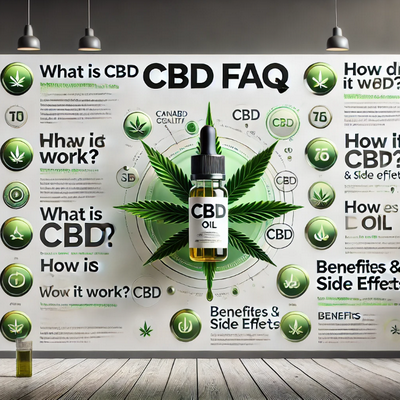
Exploring Cannabidiol (CBD): Nature's Therapeutic Compound
What is Cannabidiol (CBD)?
Cannabidiol, or CBD as it’s widely recognized, represents one of over a hundred phytocannabinoids extracted from Cannabis sativa plants. Unlike its molecular relative THC (tetrahydrocannabinol), CBD delivers therapeutic potential without inducing psychoactive effects—meaning it won’t create the sensation of being “high.” This crucial distinction has propelled CBD into mainstream wellness conversations worldwide.
At its core, CBD functions by engaging with the endocannabinoid system—a sophisticated biological network present throughout our bodies. This intricate system influences numerous physiological functions including pain perception, emotional regulation, appetite control, and immune responses. By interacting with specific receptors within this system, CBD may help restore balance when these functions become disrupted.
Emerging research indicates CBD might offer relief for various conditions including persistent pain syndromes, anxiety disorders, sleep disturbances, and inflammatory processes.
What is the recommended dosage?
Establishing optimal CBD dosage presents considerable complexity due to multiple influential variables. Individual responses vary dramatically based on physiological factors including metabolic rate, body mass, genetic predisposition, and the specific condition being addressed. Additionally, product concentration and delivery method significantly impact appropriate serving sizes.
CBD newcomers benefit from embracing an incremental approach—beginning with minimal amounts (approximately 5-10mg) and methodically adjusting upward while carefully monitoring bodily responses. This conservative strategy helps identify your personal “sweet spot” while minimizing potential adverse reactions. Therapeutic thresholds demonstrate remarkable variability; some individuals achieve desired results with modest 15-20mg daily servings, while others require substantially higher amounts exceeding 100mg for comparable benefits.
Products with CBD
Today’s CBD marketplace features extraordinary product diversity catering to varied preferences and therapeutic objectives. CBD oils and tinctures represent foundational offerings, providing precise dosage control through calibrated droppers and efficient sublingual absorption. These liquid formulations typically combine CBD extract with carrier oils like MCT (medium-chain triglyceride) or hemp seed oil to enhance bioavailability.
The edibles category continues expanding rapidly, featuring CBD-infused gummies, chocolates, cookies, and other consumables offering discreet, pre-measured servings with extended release profiles. Meanwhile, topical preparations including balms, salves, lotions and transdermal patches target localized discomfort without systemic effects, making them particularly suitable for joint and muscle applications.
Gelatin or vegetarian capsules provide pharmaceutical familiarity and consistent dosing for those preferring traditional supplement formats. Inhalation methods, including vaporization products, deliver rapid-onset effects through pulmonary absorption but raise respiratory consideration questions requiring further research.
As scientific understanding of cannabinoid pharmacology advances, so too will CBD product sophistication and therapeutic applications. Whether pursuing targeted symptom relief or incorporating CBD into holistic wellness practices, informed selection based on understanding fundamental CBD principles, appropriate dosing approaches, and product quality indicators maximizes potential benefits from this remarkable plant-derived compound.