
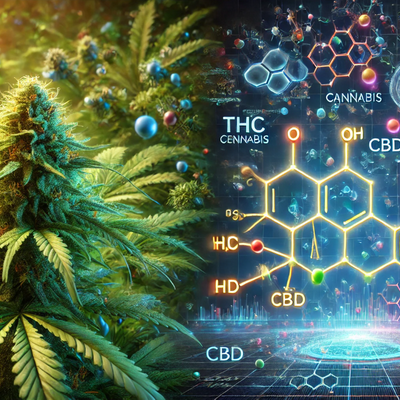
Chemical structure of cannabis
Structure, Formula, and Makeup Cannabis is a complex plant with hundreds of chemical compounds that contribute to its effects and properties. While many people know cannabis as either a recreational substance or medicine, the chemistry behind it tells a much more fascinating story that explains why this plant has been used by humans for thousands of years.
Сhemical structure of cannabis: Complex Composition
The cannabis plant is like a natural pharmacy, containing over 500 different chemicals. More than 100 of these are cannabinoids—compounds found almost exclusively in cannabis. The two stars of the show are THC and CBD. THC is responsible for the “high” feeling, while CBD doesn’t cause intoxication but offers potential health benefits like reducing anxiety and inflammation.
Interestingly, THC and CBD share the exact same chemical chemical formula of cannabis —C₂₁H₃₀O₂—but their effects differ dramatically. This happens because their atoms are arranged differently, like two houses built with the same materials but following different blueprints. This remarkable fact shows how nature can create vastly different effects through subtle changes in molecular structure.
Natural Functions of Cannabinoids
Cannabis plants produce these compounds as a form of natural protection. The sticky resin that contains cannabinoids helps shield the plant from harsh sunlight, pests, and predators. What’s evolved as a defense mechanism for the plant now interacts with our bodies in unique ways.
The Endocannabinoid System and Its Discovery
The human body has a built-in system called the endocannabinoid system that was actually discovered through cannabis research in the 1990s. This system plays roles in regulating sleep, mood, appetite, memory, and even pain. Our bodies naturally produce compounds similar to those found in cannabis, called endocannabinoids. When you consume cannabis, its compounds essentially “speak the same language” as your body’s natural system.
Terpenes and the Entourage Effect
Beyond cannabinoids, cannabis contains aromatic compounds called terpenes. These give different cannabis varieties their distinctive smells—from citrusy and pine-like to earthy and floral. There are over 100 different terpenes in cannabis, and they do more than just create pleasant aromas. Research suggests they work together with cannabinoids to enhance or modify their effects, a phenomenon known as the “entourage effect.” This explains why different cannabis varieties can produce such varied experiences despite having similar THC levels.
The Role of Flavonoids and Environmental Influences
Cannabis also contains flavonoids, which contribute to the plant’s vibrant colors and have their own potential health benefits. Some cannabis flavonoids have shown promise in fighting inflammation and oxidative stress in preliminary studies. The plant’s chemical profile changes dramatically throughout its growth cycle. Young plants have almost no THC or CBD—these compounds develop as the plant matures. Environmental factors like light, soil conditions, and climate all influence which compounds the plant produces and in what quantities. This is why cannabis grown in different regions often has distinct characteristics, similar to how wine reflects its “terroir.”
Historical and Modern Perspectives on Cannabis Use
Throughout human history, cannabis has been used medicinally in ancient China, India, Egypt, and Greece long before modern science understood its chemical makeup of cannabis. Today’s researchers are rediscovering what ancient healers knew through experience—that this plant’s complex chemistry offers a range of potential benefits that we’re only beginning to fully understand.