
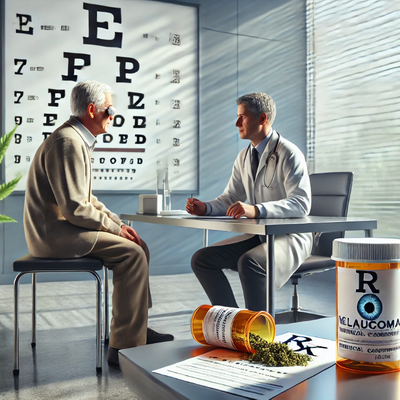
Medical Cannabis in Glaucoma Treatment: A Scientific Perspective
The intersection of cannabis and glaucoma treatment represents a fascinating frontier in ophthalmology. While glaucoma threatens millions with vision loss through optic nerve damage, cannabis emerges as an intriguing therapeutic possibility, warranting deeper scientific exploration.
Physiological Mechanisms and Pressure Control
Cannabis demonstrates remarkable abilities in moderating intraocular pressure – glaucoma’s primary risk factor. Research reveals that THC triggers specific cannabinoid receptors in ocular tissues, enhancing aqueous humor drainage. This mechanism achieves substantial pressure reduction, with clinical studies documenting 25-30% decreases in intraocular pressure.
Therapeutic Limitations and Challenges
Despite promising pressure-reducing properties, cannabis presents significant therapeutic hurdles. Its effects peak rapidly but dissipate within 3-4 hours, necessitating frequent administration. This brief duration poses practical challenges for maintaining consistent pressure control, particularly crucial in preventing progressive nerve damage.
Innovation in Drug Delivery
The pharmaceutical challenge lies in developing effective delivery systems. Traditional smoking methods prove problematic due to respiratory risks and inconsistent dosing. While topical applications seem logical, creating cannabis-based eye drops faces complex barriers – particularly the molecule’s limited ability to penetrate ocular tissues effectively. Current research focuses on novel formulations and delivery technologies to overcome these obstacles.
Clinical Context and Treatment Hierarchy
Modern glaucoma management employs highly effective pressure-controlling medications. These established treatments, including prostaglandin analogs and beta-blockers, provide reliable, sustained pressure reduction with minimal side effects. Cannabis, while promising, has yet to match this therapeutic consistency, positioning it as a potential complementary rather than primary treatment option.
Regulatory Framework and Medical Implementation
The evolving legal landscape surrounding medical cannabis directly impacts its research and clinical application. Varying regulations across regions create disparate access to both treatment and research opportunities. Additionally, cannabis’s psychoactive properties introduce unique considerations for elderly patients, who comprise a significant portion of the glaucoma population.
Research Horizons and Development
Emerging technologies in drug delivery and formulation science offer promising avenues for cannabis-based glaucoma treatments. Advanced pharmaceutical techniques explore sustained-release mechanisms and enhanced ocular bioavailability. These developments could potentially transform cannabis from an interesting compound to a viable therapeutic option.
Clinical Integration and Future Directions
The role of glaucoma medical cannabis continues to evolve through rigorous scientific investigation. While current limitations prevent its use as a primary treatment, ongoing research may unlock new therapeutic possibilities. Medical professionals must carefully balance potential benefits against established treatment protocols, considering each patient’s unique circumstances.
This field exemplifies the complex journey from traditional medicine to modern therapeutic applications, highlighting the importance of continued research in optimizing treatment outcomes for glaucoma patients. The future may reveal new ways to harness cannabis’s pressure-reducing properties while minimizing its limitations.