
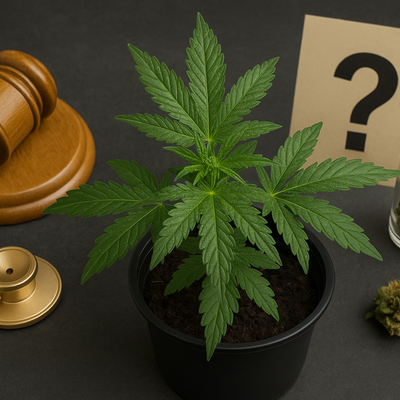
What the Public Wants to Know About Medical Cannabis
Public inquiries regarding medical cannabis can expand more than it currently does through Tier 1 and Tier 2 studies being completed due to the recent legalisation of medical cannabis in different nations.
Cannabis: what need to know about legalisation and prescription procedure
Medical cannabis was legalised in the UK, in November 2018, for specific conditions, when prospectively prescribed by a medical specialist. Patients cannot just ask their GP for cannabis, they need to be referred by an independent specialist to see if they meet the eligibility criteria.
Selecting the prescription and the prescribing procedure need to demonstrate that, for a specific condition, conventional ways of treating the condition have not worked, or caused more significant side effects for a condition’s diagnosis.
Diagnosis and conditions
In terms of medical conditions and available treatment options currently available, cannabis has the potential to be medically beneficial for chronic pain, epilepsy, multiple sclerosis, and symptoms of cancer. Cannabis, what you need to know, is not for every condition, and what works for one patient will not work for another. Each condition, individual patient responses needs to be looked at in a case-by-case scenario.
Safeness and side effects
Medical cannabis made through licensed suppliers goes through quality control, something illegal cannabis does not, so we can presume a level of safety in using it. Some side effects like drowsiness, dry mouth, appetite changes are much milder than their pharmaceutical equivalents.
Patients and doctors prescribing medical cannabis will keep in contact with each other to be aware of the effects on the patient, for the correct amount of time they took it for, and making changes to the dosage or variety if necessary.
Types and methods of usage
Medical cannabis formulations come in oils, capsules, vaporizers, and sublingual sprays, and there are different times for absorption and onset, and duration of effects. Oils generally provide precise dosing of cannabinoids, vaporizers provide acute administration and are rapid to relieve, especially when symptoms occur.
The best choice will depend on the condition being treated, patient preference, and their lifestyle. The doctor can help decide, and suggest from their disciplines suggestions, the best method.
Workplace issues
Medical cannabis patients have reported challenges in work drug testing policies, and have been discriminated against in the workplace. The real problem is driving while prescribed or consuming medical cannabis, there is no way currently to differentiate a drug test from recreational use as opposed to therapeutic use.
Research and evidence base
The field of medical cannabis is evolving and researchers are conducting and will continue to conduct more clinical trials and studies.
Understanding the fundamentals helps the public not only make a decision about precautions and when it may be appropriate to consider medical cannabis, but also to provide support to evidence-informed local policies that support the best interests of patients.