
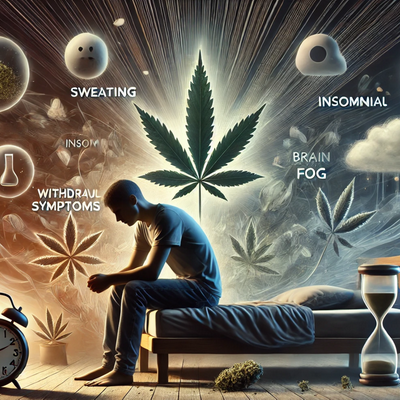
Cannabis Withdrawal: Unraveling the Hidden Neurological Challenge
Contrary to popular misconception, cannabis withdrawal is a scientifically recognized neurological phenomenon that affects thousands of individuals annually. Far from being a mythical concept, it represents a complex neurochemical recalibration process with profound implications for mental and physical health.
The Neurobiological Landscape of Cannabis Dependence
Cannabis withdrawal emerges from the brain’s intricate adaptation to prolonged cannabinoid exposure. When regular cannabis consumers abruptly cease consumption, their neurochemical systems experience significant disruption, triggering a cascade of physiological and psychological responses.
Comprehensive Withdrawal Symptom Profile
- Psychological Manifestations
- Intense mood fluctuations
- Heightened anxiety
- Depression-like symptoms
- Cognitive disruption
- Sleep cycle disturbances
- Physical Manifestations
- Headaches
- Decreased appetite
- Temperature regulation challenges
- Gastrointestinal discomfort
- Potential tremors
The cannabis withdrawal treatment (UK)
The UK healthcare system has developed a multi-dimensional and highly effective approach to managing cannabis withdrawal. These protocols combine traditional methods with innovative strategies to support individuals facing this complex challenge.
NHS-Supported Interventions
The National Health Service (NHS) offers a variety of evidence-based interventions, including Cognitive Behavioral Therapy (CBT), gradual reduction strategies, mental health counseling, and pharmacological support. These methods provide a structured foundation for addressing both the psychological and physical aspects of withdrawal.
Specialized Treatment Centers
Specialized treatment centers complement these efforts by offering personalized withdrawal management plans tailored to individual needs. These facilities also provide psychological support networks and holistic rehabilitation approaches designed to restore both physical and mental well-being.
Withdrawal Timeline
Cannabis withdrawal typically follows a defined timeline. During the first two weeks, individuals often experience peak psychological symptoms, significant physiological disruptions, and the highest risk of relapse. By the third and fourth weeks, neurochemical stabilization begins, symptoms decrease in intensity, and psychological equilibrium starts to emerge. By the second or third month, the process of neurological recalibration is largely complete, cognitive functions are restored, and most symptoms subside.
Global Perspective on Cannabis Withdrawal
Globally, cannabis withdrawal remains a significant concern. Approximately 30% of cannabis users experience withdrawal symptoms, and 9% are at risk of developing cannabis use disorder. Young adults aged 18 to 25 represent the demographic most vulnerable to these challenges. Effective withdrawal management requires comprehensive psychological assessments, personalized treatment strategies, continuous mental health monitoring, and integration into support groups.
Quick Reference
- Average withdrawal duration: 2-4 weeks
- Peak symptom intensity: Days 3-10
- Recovery success rate: 65-75%
- Recommended professional support: Minimum 12-week program
Conclusion
Cannabis withdrawal is a nuanced, scientifically complex process requiring sophisticated, personalized approaches. The journey of cannabis withdrawal is not just about cessation, but comprehensive neurological and psychological reconstruction.