
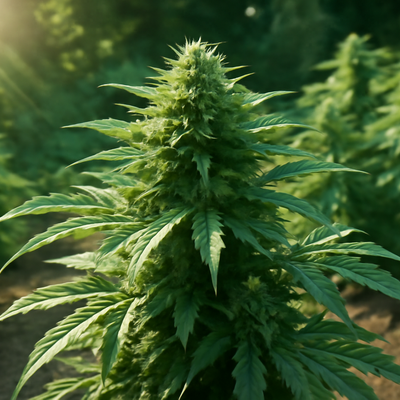
Autoflower seeds: Best Practices for Growing
Autoflowering cannabis strains have Cannabis ruderalis genetics, which is a hardy subspecies that flowers by age and not necessarily by light cycles. This genetic trait allows for no strict photoperiod, which allows for easier cultivation for beginners and faster turnaround for experienced growers.
Timeliness Benefits
Autoflower plants will go from seed (germination) to harvest in an 8-12 week timeline, which is faster than photoperiod varieties that typically take 4-6 months. This allows for growers to potentially harvest multiple times per growing season in outdoor environments, or much quicker in indoor environments.
Light Requirements and Light Efficiency
With photoperiod requiring 12/12 light cycles to flower, autoflowers grow well under an 18 hours per day to 24 hours per day light cycle. This allows growers to grow both vegetative plants and flowering plants under the same conditions, while getting the most space and energy out of an indoor grow.
Growing Challenges
Autoflowers’ growing characteristics present their own challenges, resulting in having to adjust some techniques. Since autoflowers have a compacter growing timeline, they leave little room to recover from stress, training mistakes or nutrient issues. Traditional high-stress training can significantly decrease yields, so low-stress training techniques (LST) should be used.
Feed and Nutrition Requirements
Autoflower plants will typically require lighter nutrient concentrations than photoperiods due to their ruderalis genetics and small size when grown. Autoflowers are also sensitive to overfeeding and should try not to overfeed plants while they are growing in their relatively dumped vegetative growth. Because you will typically want to use one compound to add nutrients to the mix and monitor the changes with those nutrients, avoiding common mistakes in cannabis cultivation comes with some experience. Introduce a nutrient and wait to see what the plants tell you before feeding them again!
Environmental Factors
Temperature stabilization is vital for growing autoflowers. Ideally, lighter can could grow between 65-80°F (18-26°C). Compared to photoperiod plants, they will be more sensitive to fluctuations in their environment. Additionally, carefully controlling humidity levels between 40-60% during the flowering stage will help prevent mold, maximizes resin production and produces the best quality product.
Training
Because of their limited time for recovery, it is best to use gentle training techniques with autoflower cannabis. Typical gentle training, like LST (low stress training), can be performed very early in vegetative growth, while exposing more bud sites to light, exposing those bud sites to fuller light, thus increasing potential yields. Again, topping and high-stress training should be avoided or kept to an absolute minimum (once) and some cultivating techniques should really only be used by experienced cultivators.
Harvesting Autoflower
Harvesting an autoflower cannabis grow takes time and patience observing the trichomes. However, these types of plants are more difficult because harvest may not display the same signs of ripening, or over ripening that photoperiod strains, therefore creating a more stressful growing environment and timeline. As such, harvest windows for an autoflower cannabis plant can be smaller and less forgiving than photoperiod strains. Harvest timing is very important for determining your final potency and experiences of end-users.
Strain Selection Advantages
Modern autoflower breeding has produced the best plants to date that are comparable in “quality” to photoperiod plants but have additional advantages of short harvest time and multiple cropping harvested due to traditionally shorter flowering times. Autoflower breeders from both Europe and North America have been able to stabilize their genetics to ensure consistent floral times and relatively consistent yields thus offering variety (i.e. autoflower) even for commercial cultivation.