
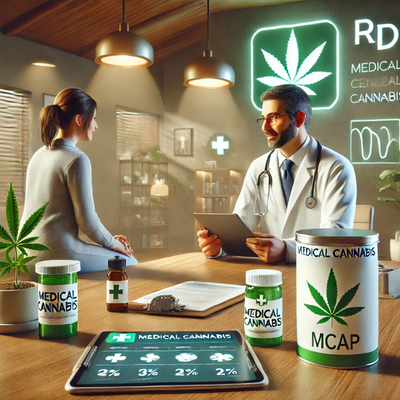
Understanding Medical Cannabis Access Programs: A Pathway to Treatment
Medical cannabis has emerged as a treatment option for various conditions, leading governments worldwide to establish formal frameworks that allow patients to access these products legally and safely. Two notable approaches include the Medical Cannabis Access Programme (MCAP) and various medical cannabis access schemes implemented across different regions.
The MCAP Explained
The MCAP represents a structured approach to providing eligible patients with cannabis-based treatments through regulated channels. This program typically operates in countries where cannabis remains controlled but exceptions are made for medical use. Under MCAP, patients with specific qualifying conditions can receive cannabis-based medicinal products prescribed by authorized healthcare professionals.
What makes MCAP distinctive is its focus on standardization and clinical oversight. Unlike some less formal medical cannabis access, MCAP generally requires products to meet pharmaceutical standards for consistency, potency, and purity. This ensures patients receive reliably dosed medication rather than variable plant material.
The program’s implementation often involves a registry system that tracks prescriptions, patient outcomes, and adverse events. This data collection serves two purposes: protecting patient safety and building an evidence base to inform future treatment guidelines and policy decisions.
Diverse Medical Cannabis Access Schemes Worldwide
It varies significantly across jurisdictions, reflecting different cultural attitudes, legal frameworks, and healthcare systems. Some countries have implemented comprehensive schemes that cover a wide range of conditions, while others maintain more restrictive approaches limited to specific ailments like epilepsy or multiple sclerosis.
Several models exist globally:
The pharmacy-based model allows patients to obtain cannabis medications through standard pharmacies with a doctor’s prescription, integrating cannabis into the conventional healthcare infrastructure.
The specialized clinic approach establishes dedicated facilities staffed by practitioners with specific training in cannabis medicine, creating centers of expertise for patient assessment and treatment.
The self-cultivation model permits registered patients to grow limited amounts of cannabis for personal medical use, addressing affordability concerns while presenting challenges for quality control.
The compassionate access pathway provides options for patients with serious or life-threatening conditions who have exhausted conventional treatments, offering hope when standard therapies have failed.
Challenges and Evolution
Healthcare professional education remains inconsistent, with many doctors feeling unprepared to discuss or prescribe cannabis-based treatments. Insurance coverage varies widely, creating potential financial barriers to accessing prescribed medications.
Product standardization continues to evolve as researchers work to establish consistent formulations and dosing protocols. The evidence base for cannabis efficacy is growing but still limited for many conditions, creating tension between patient demand and clinical caution.
As research advances and experiences accumulate, programs will continue to transform, potentially establishing cannabis-based medicines as standard treatment options within mainstream healthcare systems worldwide.